

Setting the Scene
Digital transformation in education is rarely about technology. That common thread ran through EdTech Hub’s webinar on the 26th of March 2026 From Policy to Delivery: Designing EdTech Implementation Frameworks within Digital Transformation. Through the session, EdTech Hub country teams presented lessons learned through their partnerships with Ministries of Education across five countries: Indonesia, Kenya, Pakistan, and the Philippines.
The presentations were followed by a candid policy dialogue between four senior ministry officials: Deputy Director Kawira Gikambi from Kenya, Director Gerson Abesamis from the Philippines, Director Riffat Jabeen from Pakistan, and Minister Conrad Sackey from Sierra Leone. The conversation opened with a clear focus: while many countries have made strong policy commitments to digital transformation, the real work lies in making those ambitions work in practice and at scale.
What emerged from the dialogue was not a singular blueprint, but rather a set of honest, field-tested lessons from education systems navigating between ambitious policies and constrained environments to align with what really works at the classroom level. The session was focused around four organising questions that EdTech Hub had distilled from years of in-country partnerships:
- diagnosing system constraints;
- designing adaptive implementation frameworks;
- embedding evidence into delivery;
- translating policy into practice rather than treating evidence as an end in itself;
- understanding the value of ‘right-sized’ evidence that can meaningfully support policy decisions and help translate intent into action.
Framed by ongoing partnerships between EdTech Hub and ministries across multiple countries, the webinar set the stage for a practical, experience-driven exchange on what it takes to move from policy to impact.
Watch the Webinar
Meet the Speakers
EdTech Hub Specialists
- Moderator: Haani Mazari, Asia Lead, EdTech Hub
- Faith Mbushi Wanjiku, EdTech Hub Specialist
- Nawaz Aslam, Pakistan Co-Lead, EdTech Hub
- Jazzlyne Gunarwan, Southeast Asia Delivery and Partnerships Lead, EdTech Hub
- Nimra Afzal, ASEAN-UK SAGE Helpdesk Manager
- Madleen Madina Frazerer, Sierra Leone Co-Lead, EdTech Hub
Global Partners
- Ms Riffat Jabeen, Director of the Federal Directorate of Education, Pakistan
- Director Gerson Abesamis, Bureau of Learning and Development, Department of Education, Philippines
- Minister Conrad Sackey, Minister of Basic and Senior Secondary Education, Sierra Leone
- Deputy Director Kawira Gikambi, Technical Lead Policy Development, Directorate of Policy, Partnerships and East Africa Community Affairs, Kenya
Five Approaches Linked by Common Threads
Sierra Leone
In Sierra Leone, the launch of the National Digital Learning Strategy (NDLS) is a significant milestone in translating EdTech ambition into a coherent, system-wide vision. Introduced in 2025 as the country’s first national digital learning strategy (NDLS), this is a five-year roadmap focused on learners across the first 15 years of education.
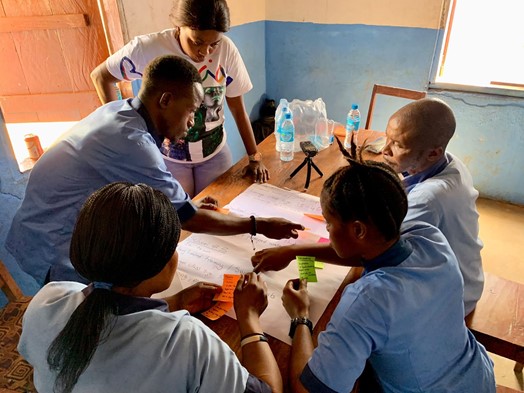
Rather than being technology-led, the strategy is learner-centred and equity-driven, with a clear vision that all learners in Sierra Leone should have safe, inclusive access to quality learning supported by educational technology. This signals a shift from fragmented initiatives toward a unified national approach to digital transformation in education.
At the centre of developing the NDLS was the depth and inclusivity of the strategy development process. EdTech Hub led a highly consultative approach, bringing together multiple ministries, development partners, donors, and implementing agencies through a steering committee. This was reinforced by a robust landscape analysis that combined policy review, stakeholder interviews, focus group discussions with students, and surveys with head teachers, teachers and School Quality Assurance Officers, across nine districts. By engaging directly with teachers, school leaders, students, and system actors, the process surfaced both structural constraints and practical realities — from lack of electricity and connectivity to gaps in teacher capability, access to devices, relevant digital content, and system coordination. These findings were then translated into action through a Theory of Change workshop, ensuring that policy priorities were explicitly linked to feasible activities and expected outcomes.
What distinguishes Sierra Leone’s NDLS is not just the strategy itself, but the evidence-informed logic underpinning it. By grounding the strategy in a clear diagnosis of system challenges and connecting those challenges to targeted interventions, the NDLS is an actionable plan. The key lesson is that:
effective digital transformation depends on understanding lived realities, listening to teachers working without electricity, students with limited access, and officials navigating coordination challenges, and allowing those realities to shape decision-making.
Kenya
Kenya has made progress in using policy review as a practical entry point for strengthening EdTech delivery. In 2025, the Ministry of Education identified the review of the ICT in Education and Training Policy as a national priority and undertook a broad-based stakeholder engagement process to inform this work.
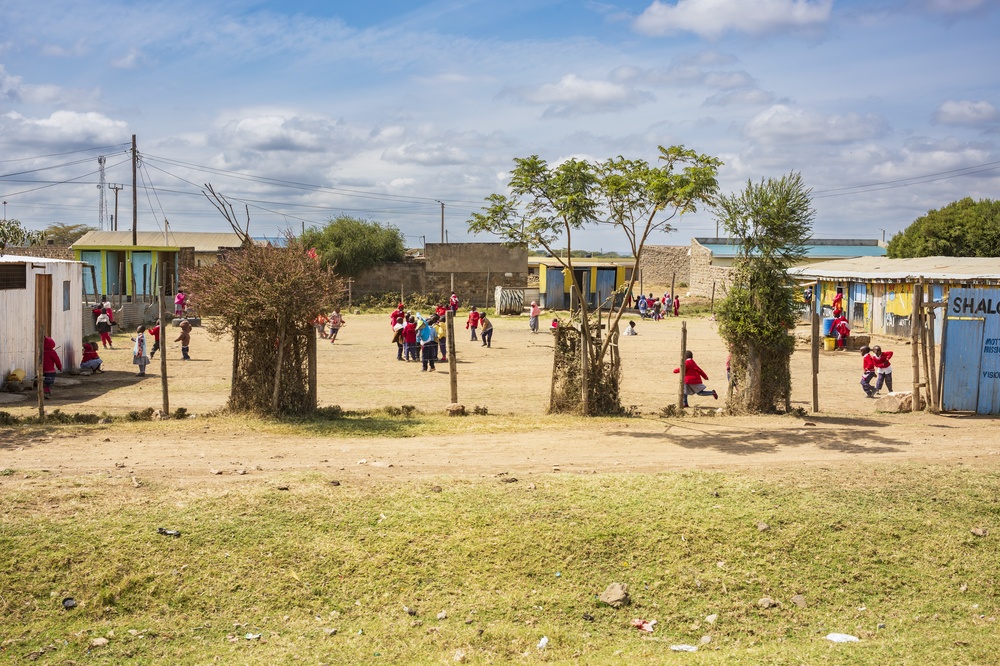
Consultations were held across four regions representing 30 of Kenya’s 47 counties, bringing in voices from teachers, learners, school leaders, sub-national officials, and local tech entrepreneurs. This marked a shift from traditional policy consultations by deliberately centring classroom-level practitioners and implementers in national policymaking.
Through this process, Kenya surfaced critical gaps between policy intent and on-the-ground awareness and execution. Findings revealed limited familiarity with the existing ICT policy at sub-national and school levels, with minimal local ownership over its use as an implementation guide. While past initiatives had successfully expanded access to hardware — such as the laptop programme — they were not consistently matched with operational budgets for connectivity, electricity, maintenance, or technical support. These insights highlighted that policy documents alone were insufficient and that effective edtech delivery depends on aligning declarations with resourcing, implementer buy-in, and clear accountability across levels of government.
Kenya has also advanced a more adaptive and evidence-informed approach to policymaking by widening how evidence is defined and used. Beyond formal research, the policy review incorporated lived experiences from diverse contexts, recognising that national direction must accommodate local realities — including environmental conditions that affect how technology functions in schools. As a result, Kenya identified the need for co-creation with sub-national leaders, continuous capacity strengthening embedded in policy dissemination, and more frequent monitoring and evaluation cycles.
Philippines
In the Philippines, EdTech Hub partnered with the Department of Education’s Bureau of Learning and Delivery to co-develop an Omnibus EdTech Policy aimed at strengthening the system‑wide integration of technology in the service of foundational literacy and numeracy.
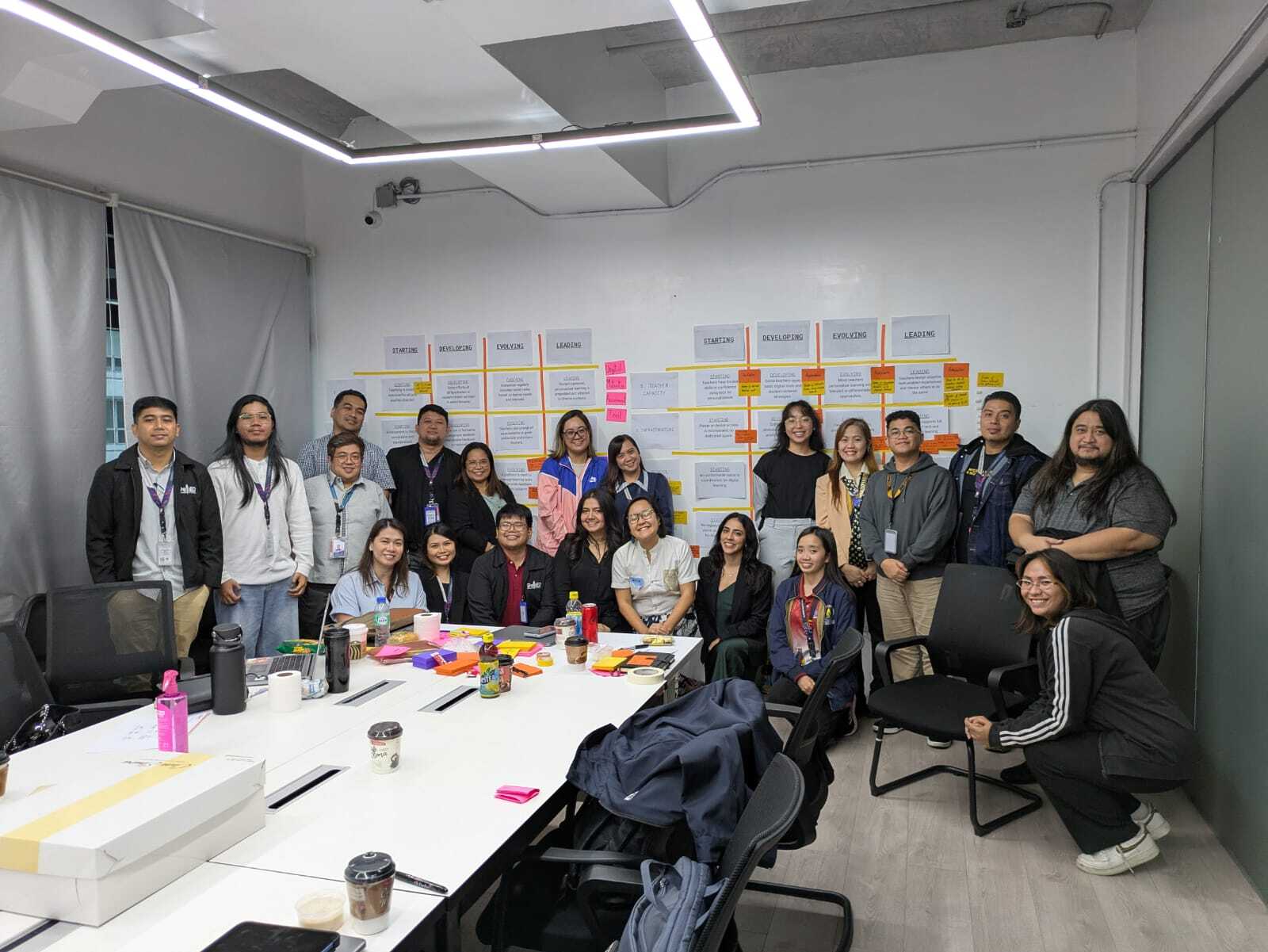
The collaboration moved the system away from fragmented pilots toward a more coherent approach that aligned edtech across policy, pedagogy, and delivery, with a strong focus on supporting teachers and achieving equitable outcomes at a national scale.
The work combined global evidence review, monitoring and evaluation design, and hands‑on stress testing of policy tools, including a Digital Maturity Assessment used to gauge school‑level readiness. By piloting these tools in diverse school contexts — including last‑mile and multi‑grade schools — the ministry was able to surface practical implementation considerations and refine both the policy draft and its theory of change in real time.
Overall, the Philippines demonstrated how learning‑led, evidence‑informed policymaking can strengthen implementation readiness. By grounding policy development in school realities, testing before scaling, and embedding feedback loops into system design, the approach reinforced that digital readiness extends beyond infrastructure to include teacher capacity, institutional preparedness, and enabling conditions for technology to support learning outcomes.
Pakistan
In Pakistan, our work involved engagement with government actors to better align EdTech initiatives with curriculum, quality assurance, and system delivery priorities, while recognising the complexity of operating across diverse contexts and jurisdictional arrangements.

This approach supported a clearer understanding of how national‑level policy intent translates into classroom‑level realities.
A core contribution was supporting evidence‑informed decision‑making by examining how teachers, schools, and system leaders engage with technology in practice. Rather than positioning EdTech as a standalone solution, the work highlighted the importance of teacher capacity, institutional readiness, and cross-departmental coordination to ensure that technology investments meaningfully support learning.
This underscored that scaling EdTech through public systems requires sustained attention to delivery. Strengthening implementation pathways, clarifying roles across actors, and embedding feedback loops were central to moving from policy ambition toward more consistent and effective use of technology in classrooms.
Indonesia
In Indonesia, we focused on supporting the Ministry of Primary and Secondary Education’s efforts to institutionalise an evidence-based policymaking process through the development of a practical toolkit.
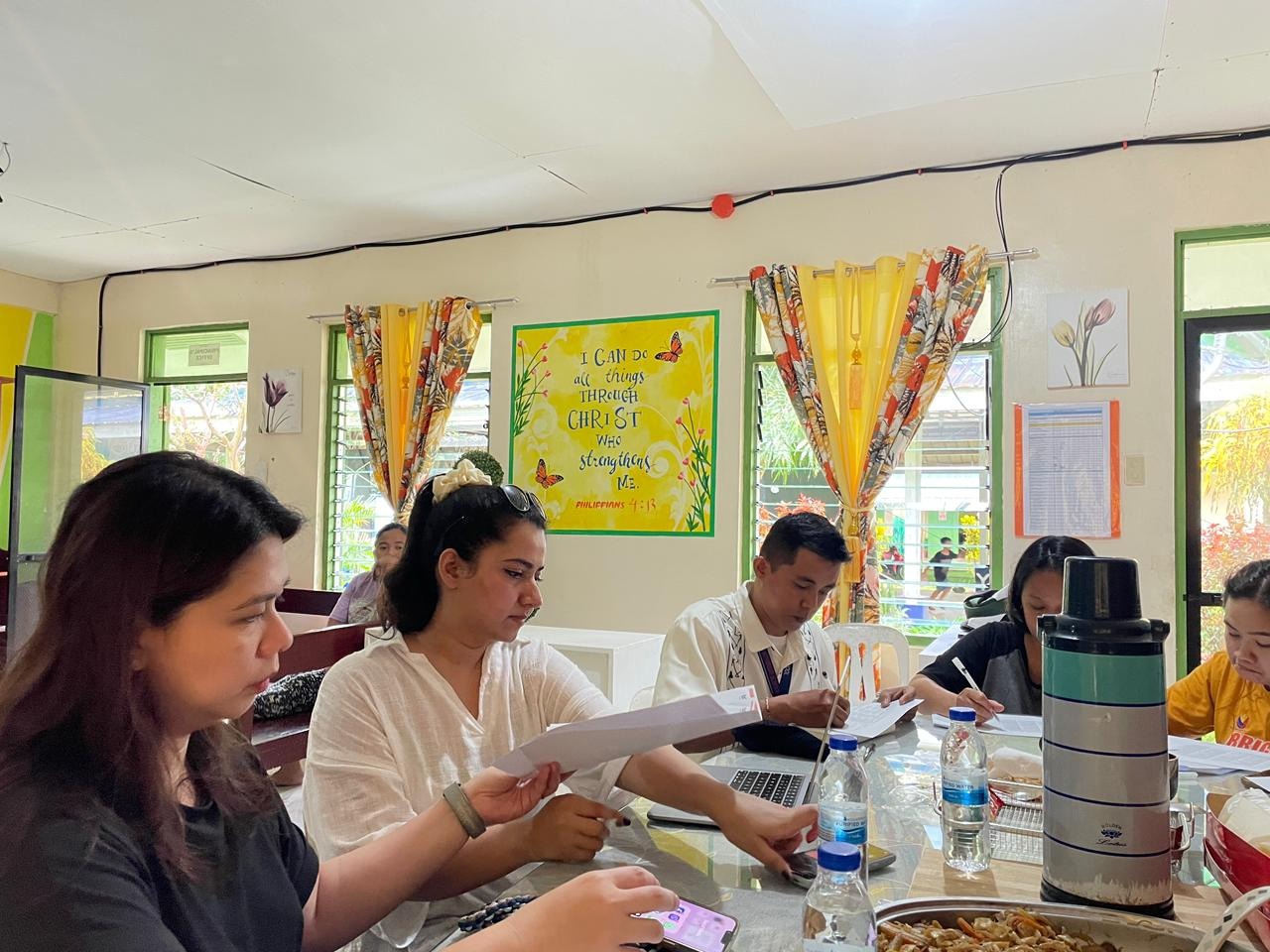
The work centred on understanding current policymaking approaches and ensuring that the toolkit aligns with existing government practices. This enables evidence-based policymaking to become a more intuitive and integrated part of how teams work, rather than an additional burden and a new system the ministry teams had to re-lean.
The collaboration surfaced practical insights on system constraints and opportunities to identify gaps in, and streamline processes within the government’s planning, harmonisation, and monitoring & evaluation (M&E) phases. By grounding the development of the toolkit and its processes in lived experiences from policymakers and units across the ministry, the work helped clarify where adaptation and targeted support were most needed and define coordination workflows to enable more efficient evidence-based and data-driven policymaking.
What It Takes to Scale EdTech Through Systems
The policy dialogue brought country leaders into direct conversation around a shared question: what kind of readiness truly makes scale possible? While perspectives differed, a common thread emerged — scaling EdTech is not driven by a single input, but by system choices that align policy vision, delivery capacity, and coordination across actors. As Sierra Leone’s Minister of Education framed it, national scale was only achievable because EdTech was treated not as ‘a donor‑driven experiment, but very much as a state‑led mandate,’ anchored in foundational policy frameworks and backed by system infrastructure.
Across countries, policymakers reinforced that readiness extends beyond hardware to encompass governance, teacher capability, and cross‑government coherence. Kenya’s experience illustrated how national vision can catalyse alignment, with education technology positioned as a key enabler within a whole‑of‑government transformation agenda. Meanwhile, Pakistan highlighted teacher capacity as a decisive reform lever, with Ms. Riffat Abbasi noting that “the readiness and the capacity building of teachers… enabled our teachers to accept the change and implement the technology in the classroom.”
At scale, no single actor could deliver alone. The Philippines underscored the importance of partnership‑driven delivery models, particularly in large and complex systems. As Director Gerson Abesamis reflected, “no single actor can provide everything in terms of scale,” making clarity of strategy and coherence across stakeholders essential. Taken together, the dialogue reframed readiness not as a checklist, but as an ongoing system capability — built through political commitment, shared ownership, and deliberate coordination to turn EdTech ambition into impact.