The past five years have made one thing clear: education systems are not as resilient as we need them to be.
Conflict, displacement, pandemic, and climate-related disruption have all exposed the same fault lines: a lack of preparation, not putting pedagogy first, and insufficient thought given to what learning continuity actually requires when things go wrong.
Blended learning, combining in-person and remote or technology-mediated approaches, has emerged as a promising strategy for maintaining access to meaningful education during and after disruption. But it is not a simple fix, and the evidence base is still developing.
This webinar brings together leading education experts, drawing on technology where it genuinely helps, to examine what we know, what we are still learning, and what it takes to make blended approaches work at scale in low-resource and crisis-affected contexts.
What works, and what doesn’t: A review of blended learning approaches that have demonstrated real impact in crisis and post-crisis settings, drawing on EdTech Hub research.
The real challenges: An honest assessment of the barriers to implementation: not placing the science of learning first, teacher capacity, equity, and inclusion and the risks of technology-led responses that underestimate the human side of learning.
System readiness: What does it mean to be prepared? This session will focus on the decisions education systems and governments can make ahead of time to strengthen learning continuity for the long term.
Recommendations for decision-makers: Practical, evidence-informed guidance for policymakers, programme leads, and practitioners working in education in emergencies and related fields.
Moderated by Sharanya Ramesh Vasudevan, Senior Portfolio Manager, Helpdesk, EdTech Hub
The webinar will be of particular interest to:
Learn more about EdTech Hub’s work on Education in Emergencies

Senior Portfolio Manager, Helpdesk, EdTech Hub
Sharanya Ramesh Vasudevan is an education advisor with expertise in EdTech, Education in Emergencies, and teacher professional development, leading global Helpdesk and technical advisory support through EdTech Hub and Results for Development to support governments and partners across Africa, South Asia, and MENA on inclusive, evidence-based education systems strengthening.
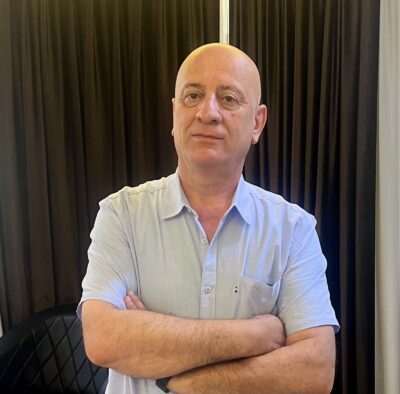
Deputy Director General of Planning, General Directorate of Planning, Ministry of Education, Kurdistan Regional Government (KRG)
Zuhair M. Abdullah is the Deputy Director General of Planning in the Ministry of Education of the Kurdistan Regional Government (KRG). In his role, he oversees the “My School” digital learning management system, providing students with high-quality educational content, video lessons, and supplementary study resources to ensure learning continuity in the region.
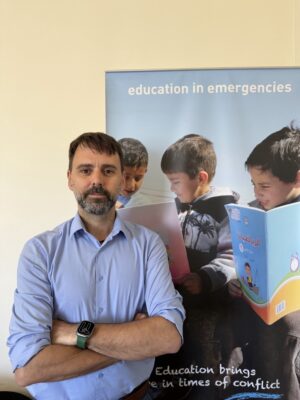
Deputy Director Education, UNRWA
Unai Sacona Benegas is a senior UN leader with 20+ years across different international organizations, driving humanitarian and education programmes across four continents.
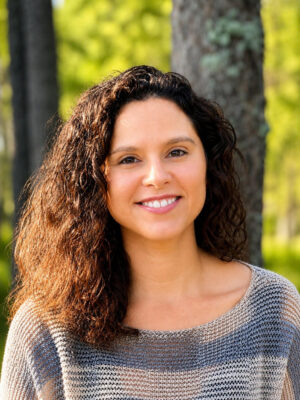
UK FCDO Education Advisor, Palladium Humanitarian and Stabilisation Operations Team (HSOT)
Lisa Walker is an Education Advisor supporting the UK Government’s FCDO. Her work focuses on access to quality education in crisis contexts, including the role of education technology in teaching, learning, and education management.

Research Manager, Jigsaw
Katrina Barnes is an interdisciplinary research manager with a focus on education in emergencies. Her work focuses on participatory research methods with displaced populations, and the effective use of EdTech in crisis contexts.