
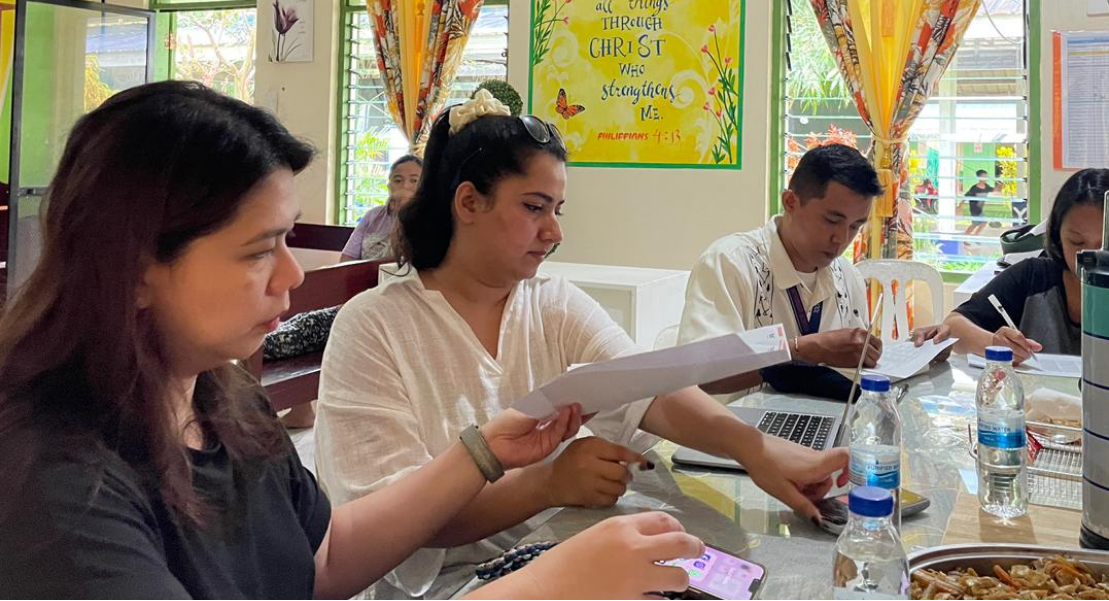
Overview: This sandbox focused on the rapid adaptation and testing of digital learning interventions to reach underserved populations and ensure system-wide readiness.
- Focus: Learners and educators in remote “Last Mile” schools — ensuring diverse perspectives shape designs that lower barriers to participation.
- Action: Feasibility testing for low-bandwidth, limited-hardware environments — so technological innovation closes the equity gap rather than widening it.
Context
The Philippine Department of Education (DepEd) is in the process of developing its EdTech Omnibus Policy to guide the effective integration of technology into teaching and learning across the education system. The policy applies a human-centred, context-aware, and unified approach in the planning, implementation, monitoring, and evaluation of EdTech efforts.
Central to this policy is DepEd’s Digital Maturity Assessment (DMA) tool, which is designed for schools to self-assess their EdTech readiness and digital capacities. As a key input to the policy’s theory of change and monitoring and evaluation framework, the DMA serves as a data collection tool that helps DepEd understand schools’ starting points and track progress over time. Data collected from this self-assessment will allow DepEd to make systematic and evidence-informed decisions to improve EdTech readiness in schools and the quality of learning across the country. The data-capture function of the DMA tool was the main focus of the sandbox, with a deep dive into the dimensions of its desirability, feasibility, and viability to assess how the tool could function effectively across diverse school contexts.
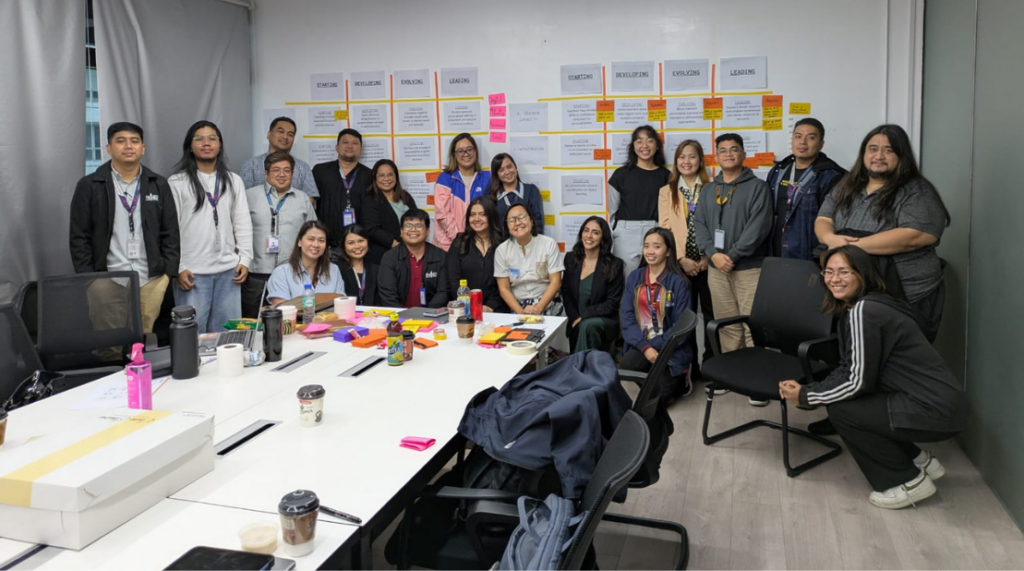
The Challenge
Data reporting is currently an extractive, one-way process. Remote schools experience “reporting fatigue,” providing data to the Ministry with no immediate local benefit. This leads to low data quality and misaligned national resource allocation.
The Hypotheses
These hypotheses formed the strategic foundation of our design. The goal was to transform the assessment into a tool that provides an immediate, tangible benefit to the school leader in exchange for their data:
Desirability
IF the DMA tool is perceived by schools as helpful to their local needs, THEN they will be more likely to provide accurate data, SO the tool must be designed for practical school-level planning.
Feasibility
IF the tool is easy to comprehend and “low-bandwidth by design,” THEN school leaders will find it feasible to implement, SO technical ease of use is the primary engagement driver.
Viability
IF the data reported is reliable and supported by a user-centric experience, THEN it becomes a sustainable evidence base for policy, SO the tool must be built as a service, not just a sensor.
Ethics
IF the tool explicitly accounts for schools with low digital access and limited hardware, THEN the most marginalised schools will be made more visible in the national data set rather than being penalised for their status, SO the design must prioritise “offline-first” capabilities to ensure data equity.
Validation Process
To ensure the project was grounded in evidence, we identified critical assumptions to validate during Sprint 0 (Preparation). We moved beyond “best guesses” to identify exactly what needed to be proven true for the project to succeed:
| Assumptions | Outcome & Validation Method | Implication |
| Schools are honest in the data they provide. | Participants confirmed that they were able to answer the tool honestly if they are assured of “zero repercussions” in doing so. | Psychological safety in engaging with the tool is a critical factor in ensuring honest and accurate data from stakeholders. Measures to provide “disclaimers” are necessary to create a safe environment for school stakeholders. |
| Digital maturity is not rushed. | Schools are self-aware in assessing their own digital maturity. Participants confirmed that they were aware of their strengths and areas for improvement in EdTech integration. The tool allowed them to see that they may not be “digitally mature” yet, and are reminded that they are far from it due to existing technological resource constraints and limitations. | Efforts to highlight how maturity looks different for every school must be made. The tool must be able to put less emphasis on progression in maturity and provide more contextual nuances in each stage of maturity for schools to redefine what successful EdTech integration looks like. |
| Learning is pedagogically-led (and not technology-led). | While there is recognition that EdTech integration is more than the procurement of infrastructure, participants emphasised that access to devices and connectivity remains a need and priority as a school. | Pedagogy can be difficult to sustain and integrate into EdTech solutions without the basics of tech infrastructure in schools. Pedagogically-led learning in EdTech can be addressed alongside procurement for more sustainable impact. |
Sprint Journey
This sandbox covered one sprint cycle, organised around four core objectives — Desirability, Feasibility, Viability, and Ethical Soundness — each tested through a distinct scope of activity and generating targeted insights to inform the tool’s refinement.
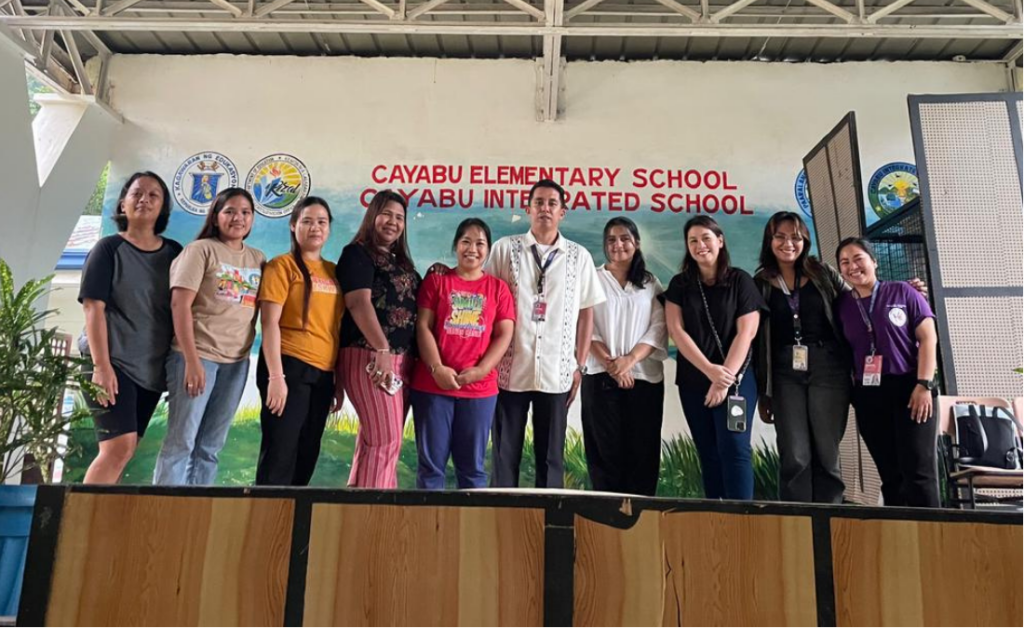
Desirability
Scope: Desirability testing focusing on school self-assessment of capacities and context.
Do: Conducted structured discussions in schools and asked questions on tool perception before and after answering it.
Measure: Understood participant reflections and analysed responses.
Learn: Schools have an expectation of action from the Ministry when presented with data-gathering tools. As schools take the opportunity to provide their own assessment of their needs and realities, the tool evolves into an instrument for keeping officials accountable. They are also curious about how they compare to schools with similar contexts.
Feasibility
Scope: Usability and feasibility testing focusing on comprehension and ease of use.
Do: Observed how school heads and teachers fill out the form and conducted a structured Focus Group Discussion (FGD) after.
Measure: Analysed questions received from participating users on how to fill out the form.
Learn: Users need examples and specific ways to answer certain elements of the tool as they compartmentalise each element according to relevant stakeholders. There is still a level of subjectivity in answering questions, and the effort to manage subjectivity must be made clear. End-users are looking for specific components such as a learner dimension. School participants also want opportunities to provide their own contexts through the tool. Formats and tool design must be revisited.
Viability
Scope: Viability testing focusing on ensuring reliability of self-reported data.
Do: Discussed potential incentives and motivations for participating end users and provided ways on how reporting benefits schools and DepEd.
Measure: Understood the motivations of participants in reporting.
Learn: Schools are motivated to provide accurate data due to the knowledge that there are other schools with similar contexts and challenges. Assurance of confidentiality and zero consequences from providing honest answers must be addressed before engagement.
Ethical Soundness
Scope: Testing ethical soundness focusing on inclusive school discussions to capture a holistic view of capacities and contexts.
Do: Copies of the Digital Maturity Assessment tool were sent out to participating schools prior to FGDs.
Measure: Yes/no verification was used on whether schools convened prior to FGD. Targets were set on who should be involved and whether these target users were able to engage with the tool. Understood additional remarks/comments stated by users.
Learn: Some participants did not convene, with school heads and OIC answering the tool on their own. Others convened during the school visit but school heads advised teachers they would answer specific parts themselves. Users took advantage of the remarks/comments section to describe their school’s context. Clear expectations on who needs to be involved, who answers specific elements, and how often they convene need to be set. Psychological safety remains a factor.
Outcome and Reflections
Psychological Safety
A safe environment for engaging with the tool is critical in obtaining accurate and honest data from the field. When presented with data gathering procedures from DepEd, users almost immediately consider how reporting may affect power dynamics and their school’s reputation. Risks such as reduced government funding and unwanted visits from officials are real concerns for schools.
Human-Centred Design
Improved student learning outcomes continue to be the driving goal of teachers and school heads when participating in data-gathering activities conducted by DepEd. Student needs are the priority for school heads and teachers as they relay information about the realities of their school, hoping that support will be provided based on their context and not a political agenda.
Accountability to Stakeholders
Schools expect DepEd to make concrete efforts in return for the data they share. Data gathering activities are no longer new to them, and user fatigue from such tools is a reality they experience, especially when required to respond to government information requests right away. Schools expect that there are next steps to the process, and that they are integral stakeholders who can actually influence decisions and are not just mere sources for data.
Next Steps
The sandbox confirmed that reliable data can be obtained from stakeholders in the field, but with extra effort needed to create psychological safety and ensure the Ministry responds to the realities they have shared. It also confirmed that schools find the tool useful, not only as an instrument for self-assessment but also as a source of information in developing school plans for the year. The sandbox also validates that the tool is easy to engage with, with some areas for improvement.
As the Edtech Omnibus Policy develops, DepEd continues to look at how other existing tools can be improved to support their data-gathering and data-for-decision-making efforts. EdTech Hub has delivered a sandbox design package for the Learning Resource Quality Assurance (LRQA) tool of this policy that will allow DepEd to refine the fit-for-purpose indicators, ensure the usability of the QA instrument, and establish a clear, decision-ready process flow for assessing learning resources.
Moreover, continuous alignment with mandates and revisiting existing data sources to inform decision-making continue to be part of DepEd’s strategy. Revisions for the tool design are in order to ensure psychological safety is established during tool engagement. As DepEd recognises the value in continuous stakeholder engagement, strengthening feedback loops for iterative learning also remains a priority.
Related Work
This work is part of the portfolio of projects delivered by the ASEAN-UK SAGE programme. The ASEAN-UK SAGE programme is delivered by the British Council and SEAMEO Secretariat, in partnership with EdTech Hub and Australian Council for Educational Research (ACER), and is an ASEAN cooperation programme funded by the UK.
This sandbox was led by Nimra Afzal, Jamie Donato and Gita Luz with support from the EdTech Hub sandbox and technical teams.