To mark the next stage of Signal Library, Guest Curators highlight three resources—two discovered through Signal Library, and one exclusive resource from their own work—with context on why it matters for navigating developments in AI and education across low- and middle-income countries. Signal Library’s third Guest Curator is Datuk Dr Habibah Abdul Rahim, Director of the Southeast Asian Ministers of Education Organization (SEAMEO) Secretariat.
As Director of SEAMEO, Dr Habibah brings a regional systems view to the Signal Library—using it to trace how a single AI development plays out differently across Southeast Asia’s 11 education systems, and to test where regional ambition meets country-level reality.
About our guest
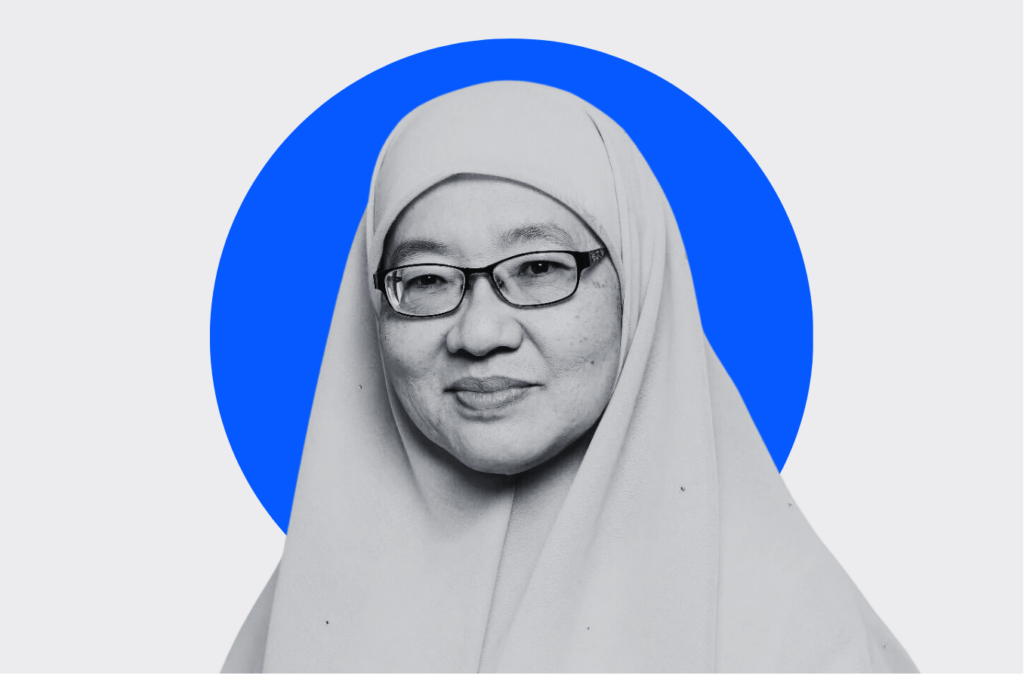
Datuk Dr Habibah Abdul Rahim
Director of the SEAMEO Secretariat
Datuk Dr Habibah Abdul Rahim is Director of the SEAMEO Secretariat, supporting cooperation among Southeast Asia’s 11 education systems. Her work advances inclusive education, teacher development, responsible AI, digital transformation, and evidence-informed regional policy, with a focus on strengthening institutions and widening opportunities for every learner.
www.seameo.org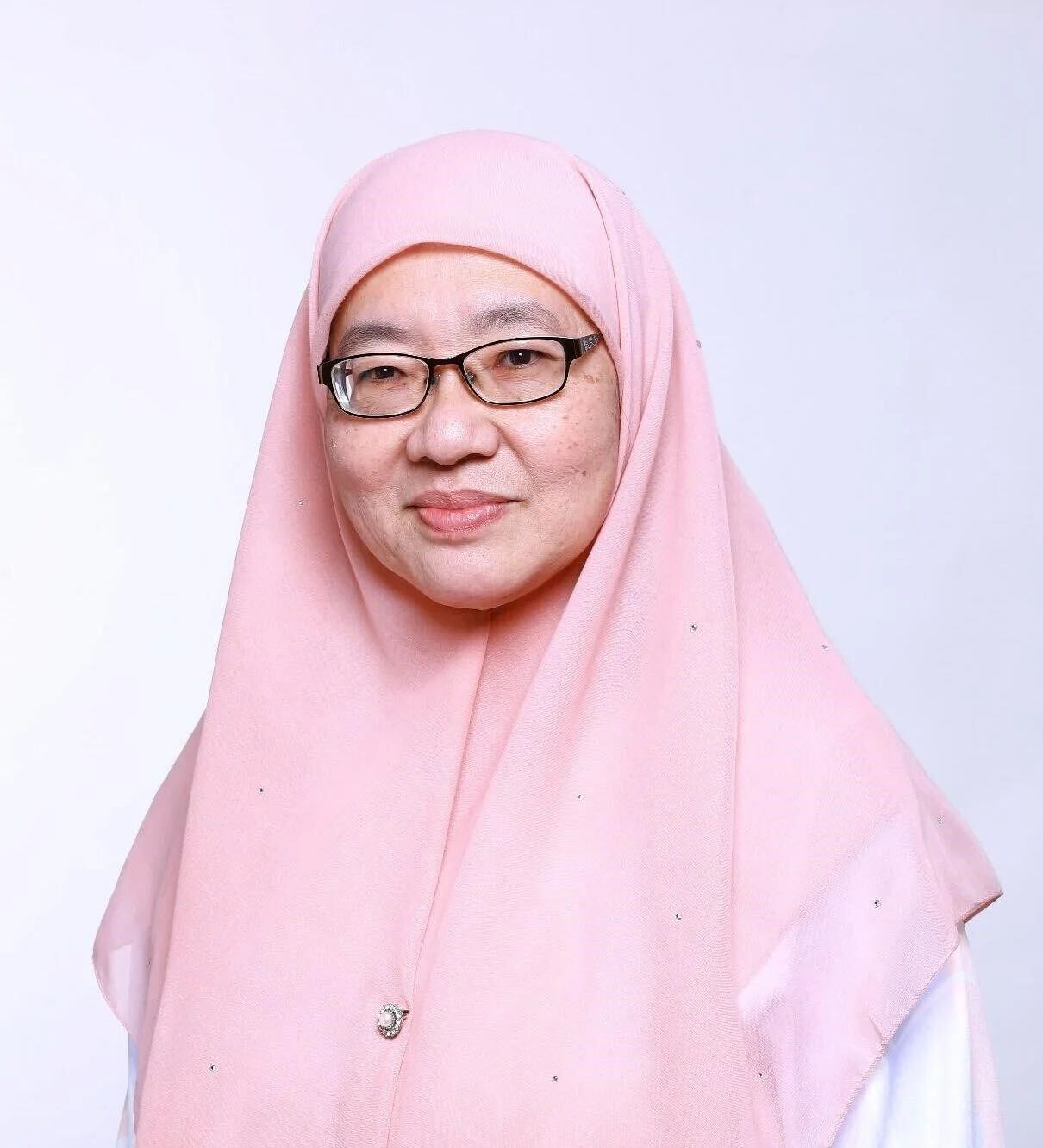
Reflecting on the Signal Library, Datuk Dr Habibah noted “The Signal Library’s regional and country filters are particularly valuable for Southeast Asia. Our region shares common ambitions, but its education systems differ greatly in language, infrastructure, institutional readiness, and learner needs. By moving between a Southeast Asia view and individual country signals, SEAMEO can identify emerging patterns, compare responses, and bring timely evidence into regional policy dialogue, research, and capacity development.”
Human curation remains essential so that automatically classified signals are interpreted within their proper national and regional contexts.”
– Datuk Dr Habibah Abdul Rahim is Director of the SEAMEO Secretariat
That’s the thread running through all three of her picks: an algorithm can surface a signal, but it takes a regional expert to say what it means. Dr Habibah’s three selections trace that idea across three different scales—a region-wide alliance, a single-country pilot, and SEAMEO’s own framework for interpreting both.
Here’s Dr Habibah’s curation:
1. China–ASEAN Lifelong Education Alliance
🔎 Spotted by Signal Library’s Human-AI scanning system; Source: Xinhua News Agency (Guizhou)
A region-wide alliance that shows how cross-border cooperation on AI in education is already taking shape—the “big picture” view.
Dr Habibah’s curatorial note: “Using the Signal Library’s region and country filters, SEAMEO identified the “launch of the China–ASEAN Lifelong Education Cooperation Alliance” as an important regional development and a valuable source of strategic insight for our ongoing work. The Alliance’s emphasis on digital intelligence, personalised learning, and cross-border cooperation reinforces many of the priorities that SEAMEO is advancing through the International Institute of Online Education (IIOE) Southeast Asia Regional Centre, established in partnership with the UNESCO International Centre for Higher Education Innovation (UNESCO-ICHEI).
The IIOE Southeast Asia Regional Centre brings together capacity development, collaborative research, policy dialogue, and institutional partnerships to support AI-enabled digital transformation across higher education in Southeast Asia.
Signals such as these help SEAMEO anticipate emerging regional priorities, draw inspiration from developments across the region, and ensure that our programmes remain responsive, connected, and aligned with the rapidly evolving AI landscape. “
2. Philippines: AI in education pilot
🔎 Spotted by Signal Library’s Human-AI scanning system; Source: EdTech Hub
Where regional ambition meets ground-level reality—a single country testing what the Alliance’s priorities look like in practice.
Dr Habibah’s curatorial note: “The Philippines pilot shows why country-level filtering matters. Regional trends become meaningful when we can trace how they are being tested within ministries, schools, and local partnerships. By moving between a Southeast Asia view and individual country signals, SEAMEO can distinguish broad momentum from implementation evidence, identify gaps, and connect countries facing similar challenges.
The Library can support SEAMEO’s role as a curator and convenor by bringing timely examples into discussions on capacity development, policy design, research priorities, and responsible AI adoption.”
💡Dr Habibah’s note on using the Signal Library: Use the Region and Country filters to build a Southeast Asia view.
3. SEAMEO Aligns AI Efforts Through New Theory of Change
🔎 Source: SEAMEO
Dr Habibah’s curatorial note: “The SEAMEO AI Theory of Change provides a regional framework through which signals can be interpreted and acted upon. Co-developed with EdTech Hub, it positions SEAMEO as a creator, convenor, champion, and curator of responsible and inclusive AI.
The Signal Library can strengthen this work as a continuing evidence-scanning mechanism: regional and country filters can reveal emerging practices, compare patterns across education systems, and identify areas requiring research or shared safeguards. Its value lies not only in collecting signals, but in translating them into coordinated regional learning and action.”
Want to be our next Guest Curator?
We’re building a growing network of voices shaping how education stakeholders understand AI developments. If you’re working on AI policy implementation, digital transformation, or education research in low- and middle-income countries, we’d love to hear from you.
Hear From More of Our Guest Curators
Signal Library is Now Live: The First Ever Signals Database of Its Kind
Signal Library surfaces signals of change from credible research, evidence, news and blogs presenting a curated selection of the latest developments relevant to AI and education in low- and middle-income…

Meet Signal Library’s Second Guest Curator: Angela Oduor Lungati
To mark the next stage of Signal Library, Guest Curators highlight three resources—two discovered through Signal Library, and one exclusive resource from their own work—with context on why it matters…
Thanks to Datuk Dr Habibah for her expert curation. You can learn more about SEAMEO and Dr Habibah’s work here:
SEAMEO’s website
2023 Southeast Asia Report: Technology in Education — A Tool on Whose Terms?
IIOE Southeast Asia Regional Centre
Funding EdTech Hub’s AI Observatory is made possible with the support of the UK’s Foreign, Commonwealth and Development Office.